Thinking about trading your Oakland or San Francisco condo for more space without losing Bay Area access? Walnut Creek gives you suburban calm, a lively downtown, and direct regional transit. If you care about commute options, school pathways, parks, and long-term wealth, this guide is for you. You will learn what daily life looks like, how to plan your commute, how to evaluate schools, and what to consider financially. Let’s dive in.
Walnut Creek at a glance
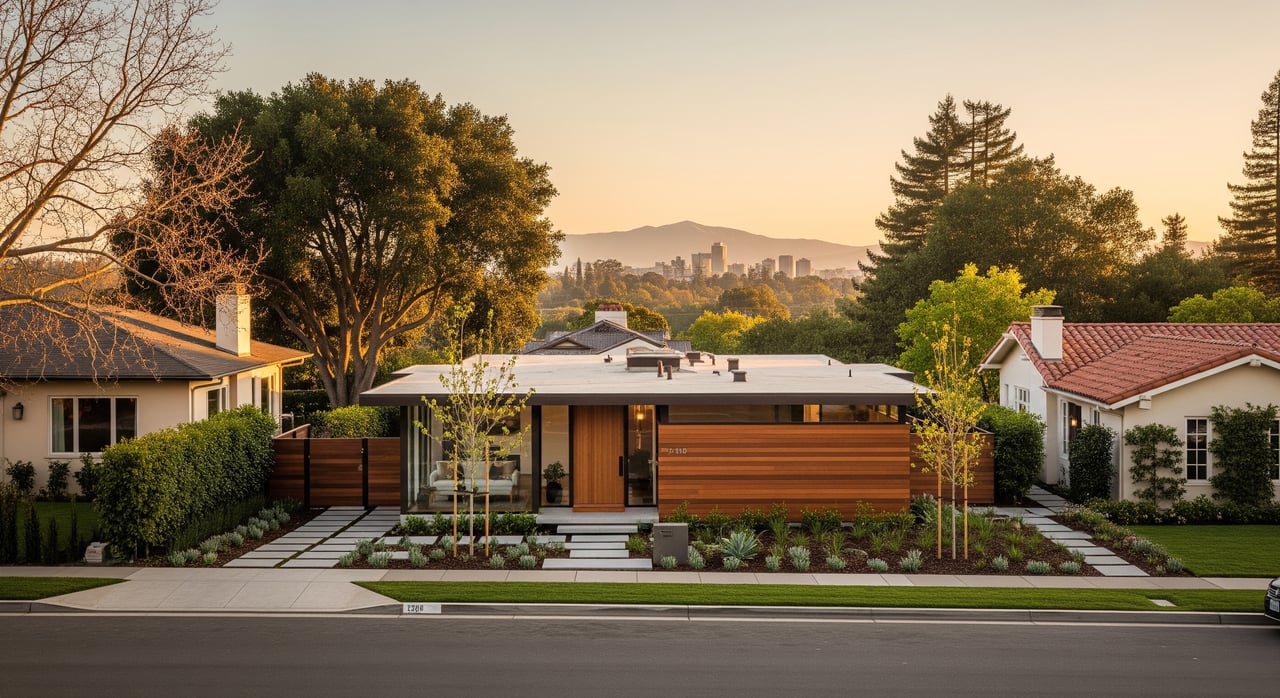
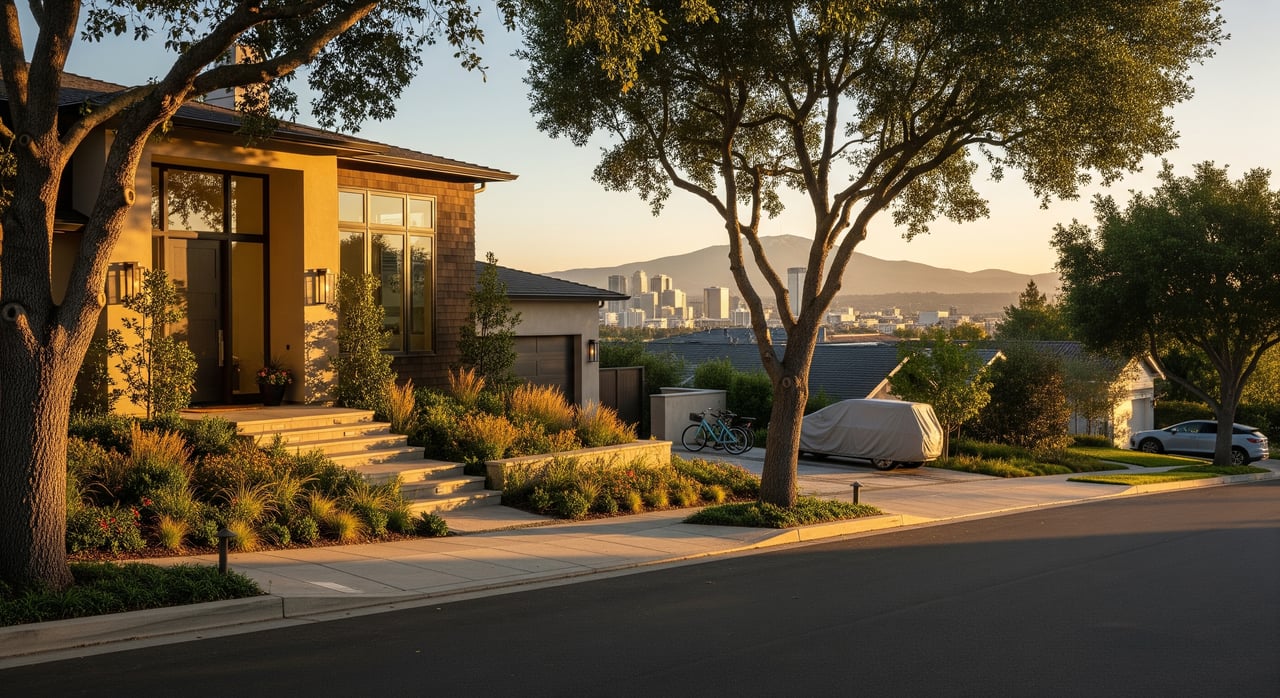
Walnut Creek sits in Contra Costa County and serves as a commercial and cultural hub for nearby communities. You get a compact, walkable downtown with shops, restaurants, arts, and professional services, plus residential neighborhoods that range from established tree-lined streets to newer developments. The city connects to the region by freeway and BART, so you can live a quieter lifestyle and still reach major job centers.
You will find a mix of families and long-time residents who value access to parks, schools, and the arts. City services operate at the municipal level, while some functions run through Contra Costa County. For items like zoning, permits, and ADU rules, review the City of Walnut Creek resources before you buy or build.
Commute and transportation
BART and local transit
Walnut Creek has a major BART station near downtown that connects you to Oakland, San Francisco, and other East Bay cities. Many residents rely on BART for transbay commutes to avoid bridge traffic and downtown parking costs. Local County Connection buses feed into the station and serve neighborhoods and nearby towns, which can help with the last mile when you do not want to drive.
Weekday parking at BART can fill, especially during peak hours. Some commuters use drop-offs, carpools, or feeder buses instead of parking. Seat availability and crowding change by time of day, so plan for variability and consider a backup plan for peak days.
Driving and carpool options
Major freeway corridors link Walnut Creek to the East Bay, San Francisco, and beyond. If you drive to Oakland or San Francisco, expect travel times to swing with the time you leave and whether you use HOV or carpool lanes. Express bus corridors and carpool lanes on regional routes can help reduce peak travel time if you qualify.
The key is to compare door-to-door travel. For some, BART plus a short walk beats driving into the city during rush hour. For others, early shifts or off-peak schedules make driving practical. Try a test commute at your usual time to see what fits your routine.
Costs and planning tips
- Budget for BART fares or gas, bridge tolls, and parking if you drive.
- For hybrid schedules, Walnut Creek’s mix of BART and freeway access supports flexible in-office days.
- If you plan to park at BART, look up current permit options and availability.
- Consider bikes, scooters, or a short bus ride for the last mile to save time and money.
Schools and family resources
Districts and boundaries
Different parts of Walnut Creek are served by different school districts for elementary, middle, and high school. Boundaries can vary by neighborhood and sometimes change over time. Before you fall in love with a home, confirm the assigned schools for that specific address using district lookup tools.
Walnut Creek also has private and parochial school options in the city and nearby communities. If you prefer a particular educational approach or program, build school research into your home search timeline.
How to evaluate schools
- Review state data from the California Department of Education for test scores, enrollment, and accountability.
- Use parent-review sites as context, not the final word, since methods can differ.
- Check school and district pages for programs like AP, IB, language immersion, special education services, and extracurriculars.
- Visit campuses and speak with administrators to understand enrollment, transfer, and program availability.
Families often weigh education heavily when choosing a neighborhood. If school access is a top priority, factor it into your search criteria and timeline early, and verify details directly with districts.
Childcare and enrichment
Walnut Creek and nearby suburbs offer licensed childcare, preschools, after-school programs, and community centers. Public libraries and city-run facilities support classes, camps, and youth sports. Because demand can be seasonal, start your childcare search early, especially if you are relocating midyear.
Lifestyle and recreation
Downtown and walkability
Downtown Walnut Creek is compact and easy to explore on foot. Highlights include Broadway Plaza for shopping, a wide range of restaurants and cafes, and regular community events such as farmers markets. Many daily errands can be done within a few blocks of the BART station, which adds convenience if you prefer a park-and-walk lifestyle.
Neighborhood walkability varies. Some areas near downtown and city parks are more pedestrian-friendly, while hillside or more suburban sections may lean car-oriented. When you tour homes, try a short walk to see how the area feels at different times of day.
Arts and community events
You will find a strong local arts presence and a community-centered calendar. The Lesher Center for the Arts hosts performances and programs, and smaller venues add lectures and events throughout the year. Nightlife is quieter than Oakland or San Francisco, which many residents see as a feature, not a drawback.
Parks and open space
Access to nature is a major draw. You are close to regional open-space preserves and trail systems that support hiking, running, biking, and family outings. Mount Diablo and surrounding parks offer summit views, longer trails, and plenty of weekend adventure. Within the city, community parks provide playgrounds, sports fields, and picnic space.
Housing and wealth planning
Home types and neighborhoods
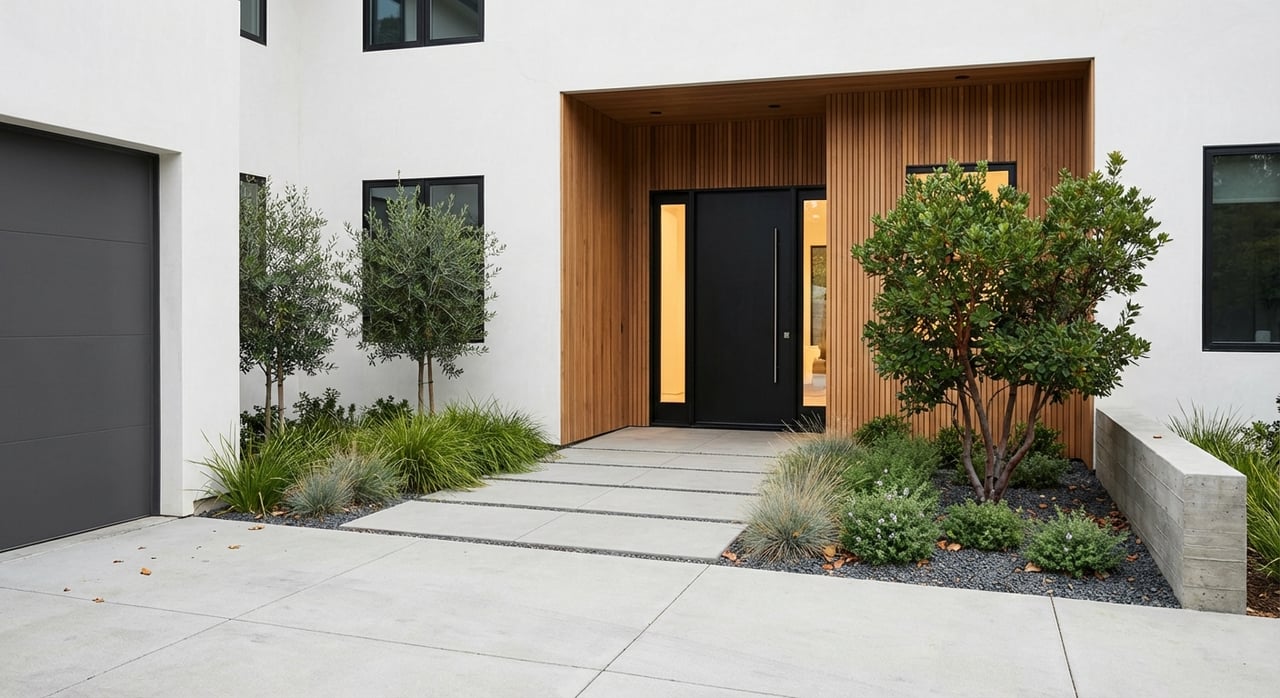
Walnut Creek’s housing mix includes single-family homes across different eras, townhomes, condominiums, and luxury options near downtown. Proximity to BART and the city center often trades at a premium because it simplifies commuting and daily errands. Hillier or more suburban sections may offer larger lots and a quieter setting, with a longer drive or bus ride to services.
When you compare neighborhoods, consider how each location impacts your commute, school assignments, access to parks, and weekend routine. These lifestyle factors also shape long-term demand and future resale.
Costs of ownership
- Property taxes in California generally start around a base rate near 1 percent of assessed value, plus local assessments. Check parcel-specific details with the county assessor.
- Condos and townhomes often include HOA dues that cover exterior maintenance or amenities. Single-family homes require budgeting for maintenance, insurance, and utilities.
- Earthquake insurance is a consideration in the Bay Area. Review coverage options with an insurance professional.
- If you are considering rental income or an accessory dwelling unit, review local permitting rules and any rental regulations.
Long-term value drivers
Homes near transit, in areas assigned to well-established school pathways, and close to downtown conveniences tend to see steady buyer interest. Liquidity matters when life changes, so marketability to commuters and families can support future resale. Keep total cost of ownership in view, including property taxes, insurance, assessments, and maintenance, as you evaluate long-term returns.
Buyer strategies
If you are moving from Oakland or San Francisco, you may get more space for a similar budget in Walnut Creek. Well-located homes still draw competition, especially near BART or popular parks. Decide whether a condo with lower maintenance or a single-family home with a yard better fits your lifestyle and financial goals, then tailor your search accordingly.
For financing, speak early with a lender to understand your purchasing power and monthly cash flow, including taxes, HOA dues, and insurance. Align your timeline with seasonal patterns in listings and your target move date.
Who thrives in Walnut Creek
You will likely thrive here if you want a calmer daily rhythm, strong access to outdoor spaces, and the ability to reach Oakland or San Francisco by BART when needed. Hybrid workers often find the mix of transit and freeway access helpful. Families who value neighborhood parks and clear school pathways also see a good fit, especially when they verify boundaries during the home search.
Your next steps
- Test your commute during your typical work hours, both by BART and by car.
- Confirm assigned schools for any property you are considering and review program offerings.
- Tour neighborhoods at different times of day to gauge walkability, parks, and traffic.
- Build a full budget that includes property taxes, assessments, HOA dues, insurance, maintenance, and commute costs.
- Decide on your must-haves vs nice-to-haves so you can act quickly when the right home appears.
If you want a local, wealth-minded advisor to help you compare neighborhoods, map school boundaries, and model total housing costs, we are here to help. Start building your East Bay home wealth with Rise Group Real Estate - Main Site.
FAQs
How long is the commute from Walnut Creek to San Francisco?
- It varies by time of day and mode. BART offers a predictable transbay option that avoids bridge traffic, while driving can swing widely with peak congestion. Compare door-to-door times and test your commute during your usual hours.
Which Walnut Creek neighborhoods feed into specific schools?
- School assignments differ by address and may change over time. Confirm boundaries with district lookup tools for each property and review school and district pages for program details.
Is downtown Walnut Creek walkable for daily errands?
- Many downtown blocks are pedestrian-friendly, with shopping, dining, and services near the BART station and Broadway Plaza. Walkability varies by neighborhood, so explore on foot when you tour homes.
What outdoor recreation is close to Walnut Creek?
- You are near regional open spaces and parks suitable for hiking, biking, and family outings, including Mount Diablo and local trail networks. City parks add playgrounds and sports fields for everyday convenience.
What should I budget beyond the mortgage?
- Plan for property taxes and local assessments, HOA dues for condos or townhomes, homeowners and earthquake insurance, routine maintenance, utilities, and commute expenses such as BART fares, tolls, and parking.