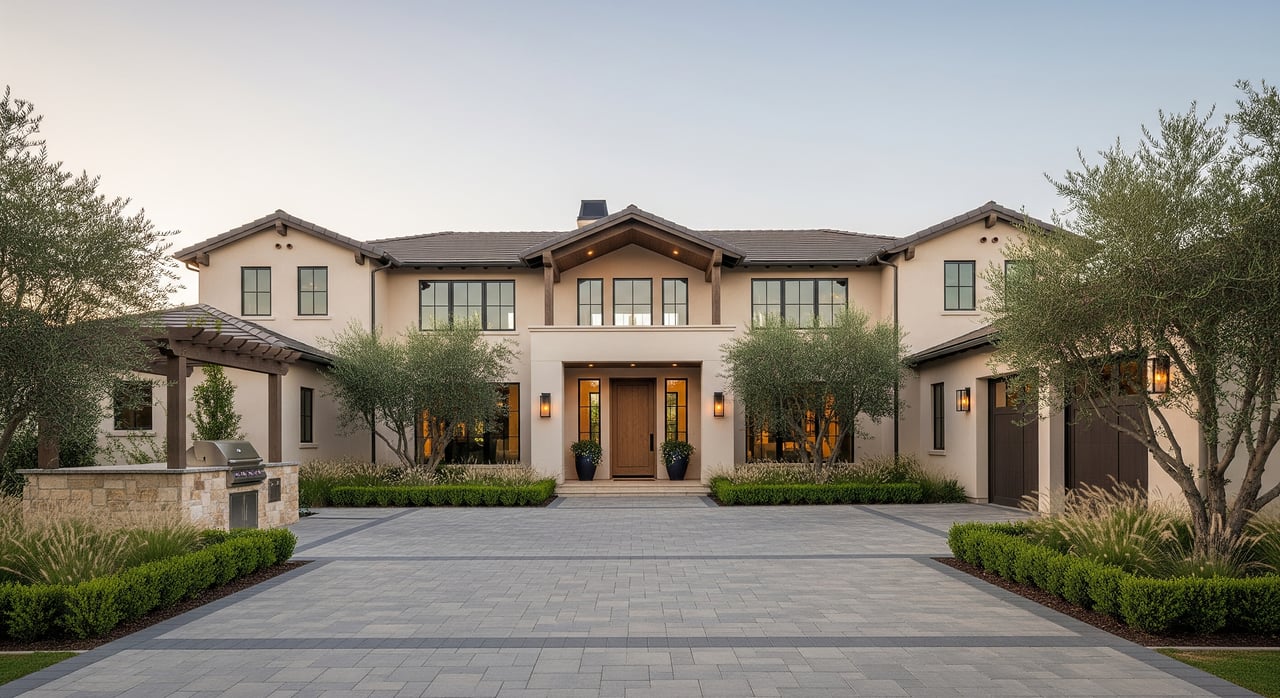
Are you hearing mixed signals about the Walnut Creek housing market? You are not alone. Rates have shifted, inventory feels sparse one week and plentiful the next, and headlines can be confusing. In this guide, you will learn how to read the numbers that matter in Walnut Creek, what is driving demand locally, and how to move with confidence whether you plan to buy, sell, or invest. Let’s dive in.
What defines Walnut Creek now
Walnut Creek is a mature East Bay market with a blend of single‑family homes, townhomes, and condos. A strong downtown core, BART access, and higher household incomes compared to state and national averages support steady buyer interest. The result is often stable pricing and predictable demand for well‑located, move‑in ready homes.
Since the 2020–2021 surge, Bay Area markets cooled in 2022–2023 as mortgage rates rose, then began to stabilize through 2024. Walnut Creek reflects that pattern. Inventory remains tight for desirable single‑family homes, while the condo segment tends to be more sensitive to rate changes. Walkable locations and proximity to BART continue to command premiums.
The metrics that matter
Think of the market in a few simple indicators. Each tells you something different about leverage and timing.
Median sale price
Median price shows the middle of recent sales, which filters out extreme outliers. Track 30‑day and 90‑day medians to see short‑term versus broader trends. If the 30‑day median is rising while the 90‑day is flat, momentum is building; the reverse hints at softening.
Inventory and months of supply
Active listings tell you how much choice buyers have. Months of supply equals active listings divided by average monthly sales. In Walnut Creek, low supply is common for single‑family homes due to limited new construction and lower owner turnover. Under roughly 2 months of supply usually favors sellers, while rising supply can shift leverage toward buyers, especially in condos.
Days on market (DOM)
DOM shows how fast homes go under contract. Shorter times signal strong demand. Watch for differences by type and price band. A quick DOM for single‑family homes and a slower DOM for condos is a common Walnut Creek pattern.
Sale‑to‑list price ratio
This ratio compares the final sale price to the last list price. At or above 100 percent suggests multiple offers or firm seller leverage. Below 100 percent indicates room for negotiation. Use this alongside DOM to gauge whether pricing power is shifting.
Price per square foot and property type
Price per square foot helps with micro‑comparisons across neighborhoods and home types. In Walnut Creek, detached homes often attract stronger demand than condos. Downtown condos and townhomes near BART reflect lifestyle and convenience, while suburban pockets with yards appeal to buyers prioritizing space.
Sales volume and mortgage rates
Sales volume shows overall activity. Slower volume with steady prices can mean buyers are waiting on rate improvements. Since mortgage rates drive affordability, keep an eye on the national 30‑year fixed average from the Freddie Mac weekly mortgage survey and note the survey date when you compare.
What drives demand in Walnut Creek
Transit and downtown lifestyle
BART access and a walkable downtown anchored by shopping and dining draw buyers who value an easy commute or a short car‑free errand run. Hybrid workers often prioritize locations that let them balance remote days with occasional trips to Oakland or San Francisco.
Parks, recreation, and neighborhood feel
Access to parks, trails, and open space adds to Walnut Creek’s appeal. Neighborhood selection often comes down to home type and lifestyle tradeoffs. Suburban areas with yards appeal to those seeking more space, while downtown condos trade space for convenience.
Demographics and migration
Walnut Creek attracts a mix of downsizers seeking lower‑maintenance living and younger buyers moving from higher‑priced urban cores. The city also sees interest from buyers priced out of San Francisco who want East Bay access and amenities. Regional employment and commute patterns help shape that flow, which you can track through resources like the U.S. Census Bureau’s American Community Survey and the Bureau of Labor Statistics regional updates.
Relative affordability versus core SF
While still high relative to statewide medians, Walnut Creek can look more attainable compared to similar single‑family homes in core San Francisco neighborhoods. That gap supports steady buyer interest as budgets stretch for space and schools.
Segment check: single‑family vs. condos
Walnut Creek often shows a bifurcated market. Single‑family homes in established neighborhoods are frequently supply‑constrained. They often sell faster and closer to list, particularly when turnkey and well‑located. Condo and townhome inventory can be more plentiful and more sensitive to rate changes. If rates rise quickly, the condo segment may see longer market times and more negotiation.
For buyers, this means you might find better options and pricing flexibility in the condo segment. For sellers, it means preparing a condo or townhome for market may require sharper pricing, standout marketing, and clear messaging on HOA value.
Seasonal patterns to expect
Spring is the most active listing season in Walnut Creek, with more new inventory and engaged buyers. Fall can provide fresh opportunities for serious movers who prefer less competition. Winter is often quieter with fewer listings and longer negotiation windows. Compare month‑over‑month changes with seasonal patterns in mind so you do not mistake normal cycles for structural shifts.
How to read the next 90 days
Use a simple framework to track momentum:
- Inventory trend: If active listings rise faster than pending sales, buyers gain options and leverage.
- DOM trend: If days on market climbs across several weeks, pricing power may soften, first for condos.
- Sale‑to‑list: If the median ratio dips below 100 percent and stays there, buyers can negotiate more.
- Mortgage rates: Check the Freddie Mac weekly mortgage survey. Lower rates can bring buyers back quickly, tightening DOM and lifting ratios.
- Local development: Watch planning updates for new multifamily or mixed‑use projects that could add condo supply near BART. The City of Walnut Creek Planning Division posts project information and policy changes.
Smart moves for Walnut Creek buyers
- Get fully underwritten pre‑approval. In tight single‑family segments, strong financing can be the difference.
- Focus on micro‑markets. Homes near downtown and BART behave differently than suburban pockets. Compare DOM and sale‑to‑list by neighborhood and home type.
- Stress‑test payments. Use a conservative rate assumption and include taxes, insurance, and HOA dues for condos. Rates move, so leave room in your budget.
- Watch new listings midweek. Well‑priced homes can go pending quickly. Have your tours and comps ready.
- Consider the condo value story. If condo inventory is building, use that to negotiate price, credits, or HOA repairs while you still prioritize location and convenience.
Smart moves for Walnut Creek sellers
- Price for your segment, not the headlines. A single‑family listing near parks or BART can command strong interest when staged and priced to the latest comps. Condos may need a sharper price and clear value messaging.
- Prepare the home. Professional prep, light updates, and staging highlight move‑in readiness. In a competitive segment, this helps you capture multiple qualified offers.
- Time the market. Spring is still prime time, but a well‑prepared listing can succeed year‑round with the right launch plan.
- Make data your friend. Track DOM, sale‑to‑list ratio, and inventory in your price band ahead of launch. Adjust strategy if buyer activity shifts in the weeks before you list.
- Clarify your next move early. If you need a rent‑back or a short close, set those terms up front to keep leverage.
Walnut Creek vs. Contra Costa and the metro
Context matters. Comparing Walnut Creek to Contra Costa County and the broader Oakland–Hayward–Berkeley metro helps you judge whether trends are local or regional. If county DOM is rising while Walnut Creek DOM is flat, local demand is holding up. If the county sale‑to‑list ratio slips but Walnut Creek stays near 100 percent, that suggests the city still has relative strength.
To follow regional trends, use statewide and metro context from the California Association of Realtors market data. Layer those insights onto local MLS reports for a precise Walnut Creek picture.
Where the numbers come from
Reliable data helps you avoid guesswork. For rates and affordability context, refer to the Freddie Mac weekly mortgage survey and note the week you checked. For regional and statewide housing trends, use the California Association of Realtors market data hub. For local development and supply signals, the City of Walnut Creek Planning Division posts updates on active projects and policy. Economic and demographic context is available from the U.S. Census Bureau’s American Community Survey and the Bureau of Labor Statistics West Region. Local coverage of notable developments and openings can be found at the East Bay Times.
Get a local plan for your goals
Your best move is to align timing, price band, and property type with what the Walnut Creek data is doing right now. Whether you are buying your first home, moving up, right‑sizing, or evaluating a condo versus a single‑family home, we will help you translate market signals into a clear plan and a smooth transaction. Start building your East Bay home wealth with Rise Group Real Estate - Main Site.
FAQs
Is Walnut Creek a buyer’s or seller’s market right now?
- It depends on segment; single‑family homes often show tighter supply and faster sales than condos, so check months of supply, days on market, and sale‑to‑list ratio by property type and price band.
How do mortgage rates affect what I can afford in Walnut Creek?
- Your monthly payment moves with the 30‑year fixed rate, taxes, insurance, and HOA dues if applicable; use the Freddie Mac weekly mortgage survey as a reference and get a personalized estimate before touring.
Are prices in Walnut Creek falling or recovering?
- Track 30‑day and 90‑day median prices plus year‑over‑year change; stability in single‑family homes with softness in condos is a common pattern when rates are higher.
Will I face a bidding war if I list my Walnut Creek home?
- Multiple offers are most likely when inventory is low, days on market are short, and the sale‑to‑list ratio is near or above 100 percent for your segment.
Should I buy a condo or a single‑family home in Walnut Creek?
- Condos can offer lower entry prices and walkability but may be more rate‑sensitive and include HOA dues; single‑family homes often have stronger resale dynamics when supply is tight.
How long will it take to sell my home in Walnut Creek?
- Use current median days on market for your neighborhood and price band as a baseline; condition, pricing, and marketing can shorten the timeline.
Are people moving to Walnut Creek from San Francisco or other areas?
- Walnut Creek often attracts buyers seeking more space or relative affordability versus core SF, supported by transit access and local amenities; migration can shift with jobs and rates.